Die Skool van die Kerke.
Sedert 1869 lei die Gereformeerde Kerke hul bedienaars aan hul eie Teologiese Skool op: van die kerke, deur die kerke, vir die kerke.
Die skool vandag
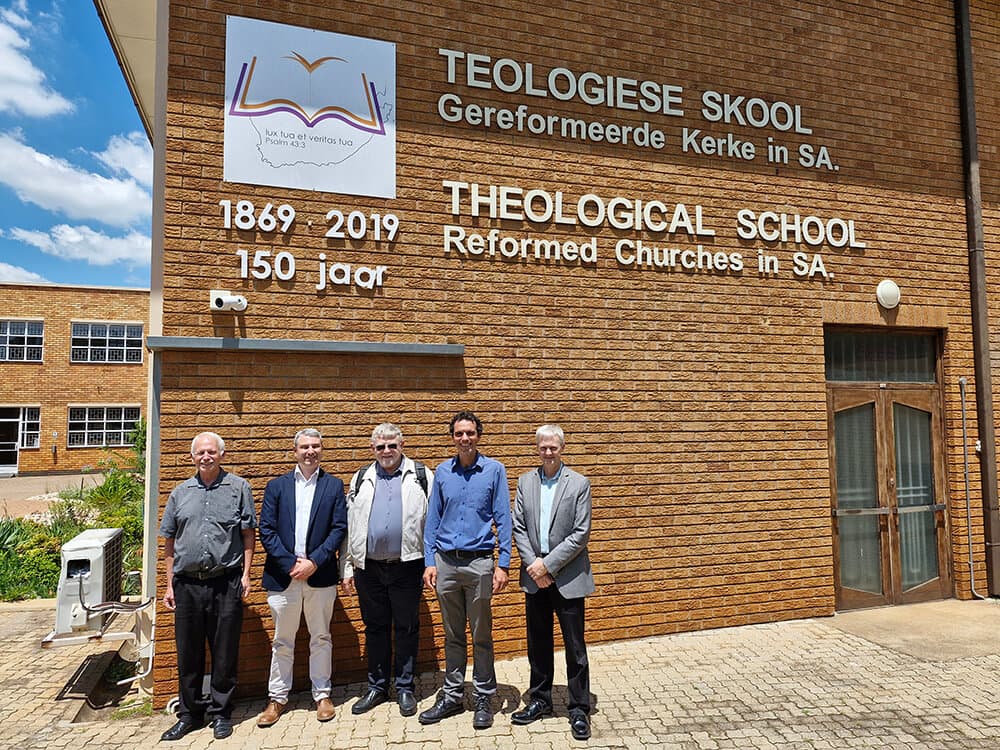
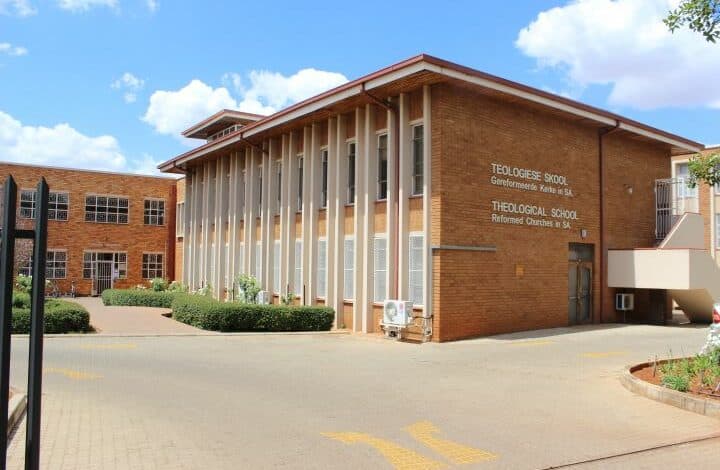
'n Pad van getrouheid
Meer as 150 jaar van teologiese opleiding in die gereformeerde tradisie.
- 1859
Opleiding in Europa
By die stigting van die GKSA word predikante nog in Europa opgelei, veral in Nederland. Die behoefte aan plaaslike opleiding is van die begin af duidelik.
- 1869
Stigting in Burgersdorp
Die Teologiese Skool begin op 29 November 1869 te Burgersdorp. Dit bou voort op die opleiding wat die kerkraad van Burgersdorp onder ds. Dirk Postma reeds begin het.
- 1905
Verskuiwing na Potchefstroom
Die Skool verhuis na Potchefstroom waar dit tot vandag gesetel is.
- 1921
Inlywing van die Kollege
In Julie 1921 word die Kollege op Potchefstroom, later die PUK, by wet by die Universiteit van Suid-Afrika ingelyf. Die Kollege het uit die literêre afdeling van die Teologiese Skool gegroei.
- 1945
Ooreenkoms met die PUK
Die Sinode aanvaar 'n skriftelike ooreenkoms met die P.U.K. vir C.H.O. Die Teologiese Skool en die universiteit bly albei selfstandig.
- 2018
Sinode besluit oor die opleiding
Die Algemene Sinode gee die Kuratore opdrag om met die NWU verder te onderhandel, om vas te stel of die kerk 'n hoëronderwysinstelling moet registreer, en om alle weë te ondersoek om die opleiding gereformeerd te hou.
- 2023
GTA aanvaar, NWU beëindig
Op 3 Februarie 2023 besluit die Sinode om die voorgestelde ooreenkoms nie te teken nie, en aanvaar dit die oprigting en registrasie van die GTA deur die Kuratore. Die NWU gee kennis van beëindiging.
- 2026
Sesde Algemene Sinode
Van 5 tot 10 Januarie 2026 te Potchefstroom. Teologiese opleiding was die swaarste saak. Die Sinode wys die GTA as die opleidingsinstelling aan, keur die roete deur Mukhanyo (MTC) goed en keur die ooreenkoms met Aros af. ’n Beswaarskrif teen die besluite van 2023 oor die GTA slaag nie.
Die Skool in die Acta
In 1869 het twee stemrondes vir die tweede leraar van die Teologiese Skool nie 'n tweederde-meerderheid gegee nie. Die Sinode het gesing en gebid, en die lot het op ds. Jan Lion Cachet geval.
Bron: Acta 1869, art. 67–68
In 1885 het die Sinode 'n vaste rentefonds vir die koste van die Skool gestig. Een van die oudste ouderlinge het gesê: “Laten wij de School als een erfenis aan onze kinderen achterlaten.”
Bron: Acta 1885, voorwoord
In 1911 het prof. Cachet aan die begin in 1869 teruggedink: “de studenten waren weinig en zwak; de dosenten hadden geen academische graden, maar wij begonnen.”
Bron: Acta 1967, art. 107
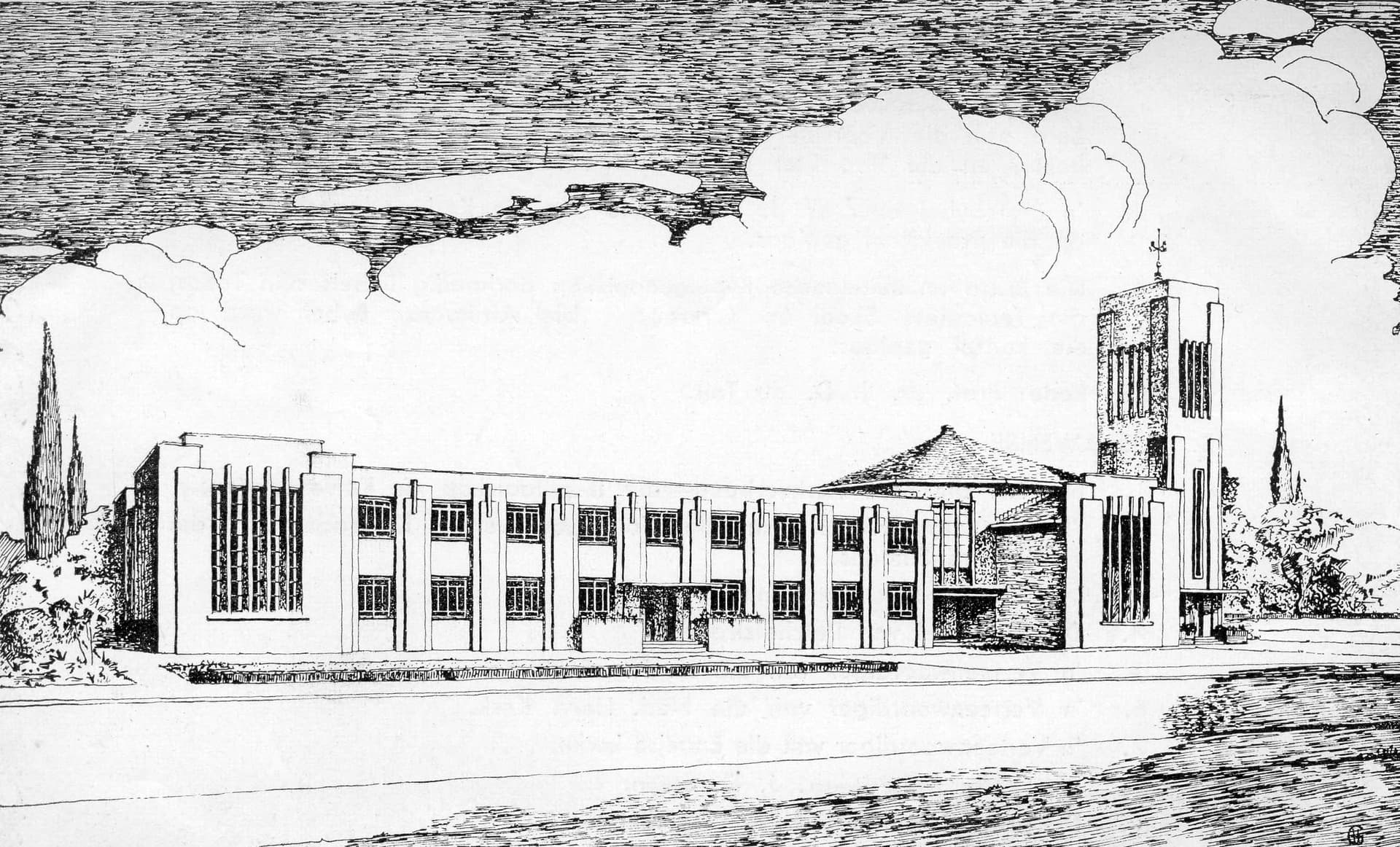
Die argitek, dr. Moerdyk, het in die derde gebou van die Teologiese Skool die gedagte van die Hervormingsmuur in Genève probeer weergee. Volgens die Kuratorium beeld die gebou die soberheid en die krag van die Calvinisme uit.
Bron: Acta 1952, art. 80
Gereformeerde Teologiese Akademie
Die GTA, in Engels die Reformed Theological Academy, is 'n onafhanklike, nie-winsgewende maatskappy. Dit staan volledig onder die toesig en beheer van die kerke deur die Kuratore.
Die Kuratore, verkies deur streeksinodes, hou toesig oor die GTA se werksaamhede en doen elke drie jaar verslag aan die Algemene Sinode. Die Sinode 2026 het die GTA as die aangewese opleidingsinstelling gekies. Binnelandse registrasie en akkreditasie bly 'n langtermyndoel.
- Nie-winsgewend
- Kuratore-toesig
- Langtermyn: binnelandse akkreditasie
“Van die kerke, deur die kerke, vir die kerke.”
Uit die argief
Beelde uit die geskiedenis van die Teologiese Skool, uit die GKSA se eie argief.
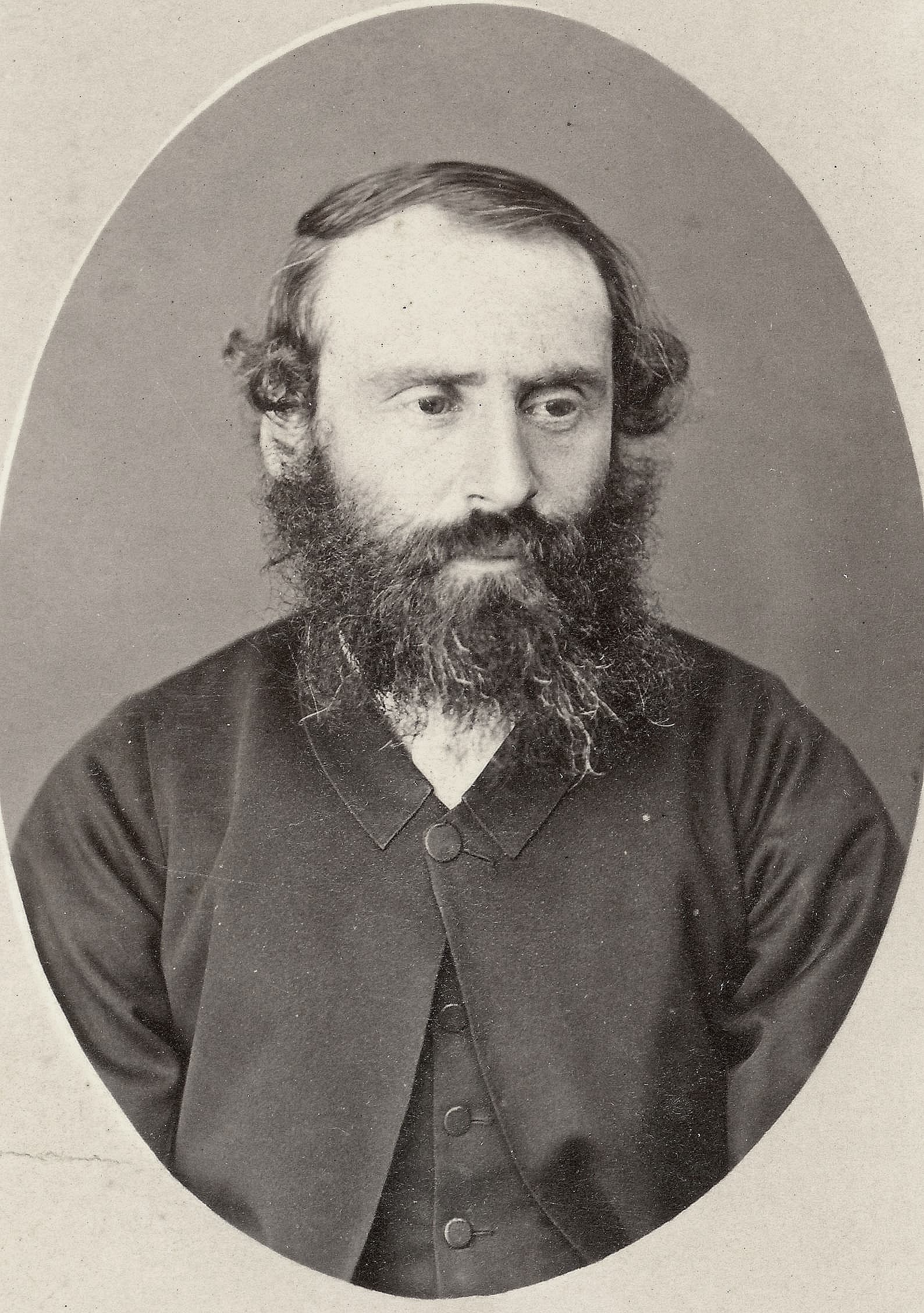
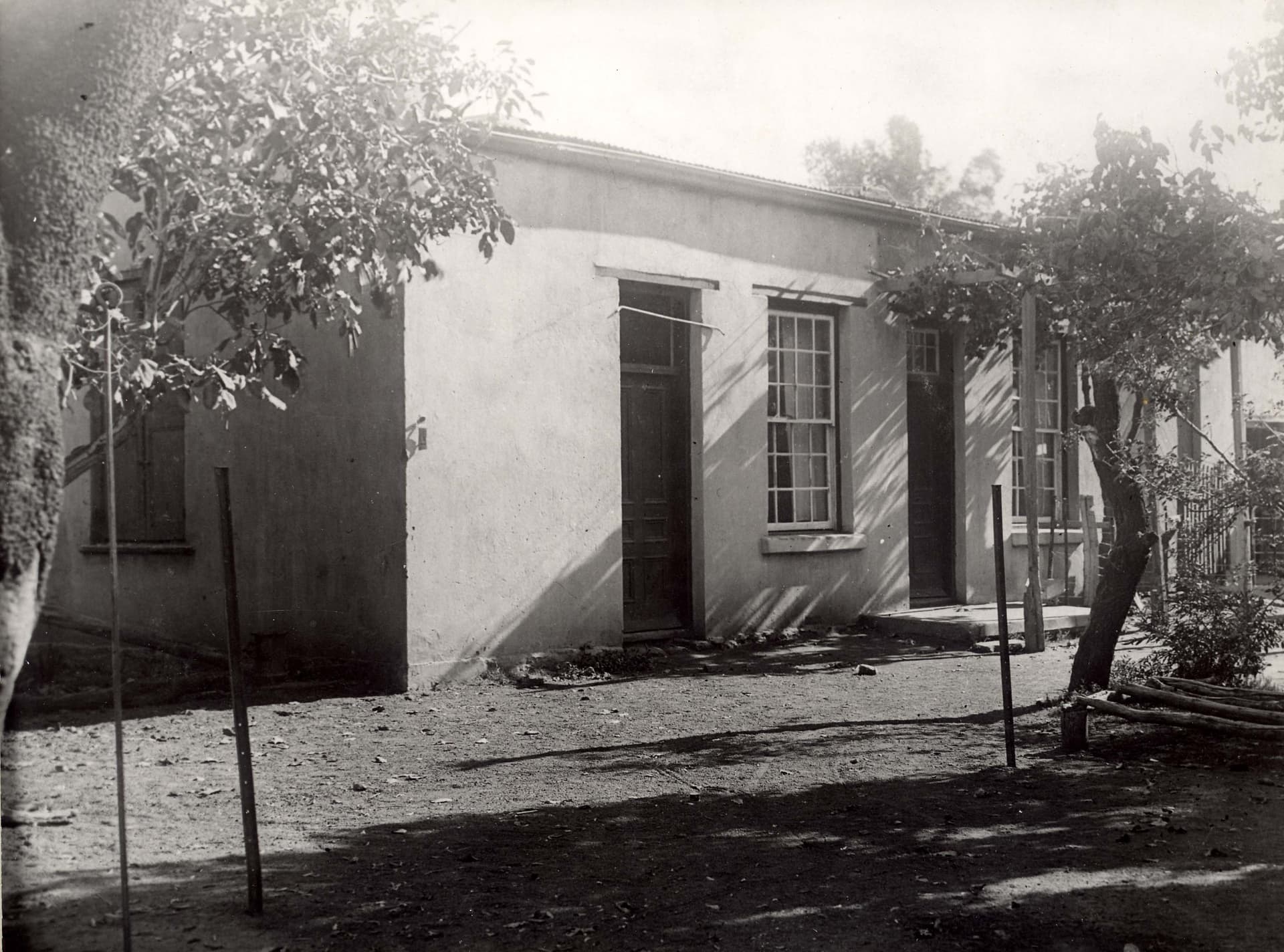
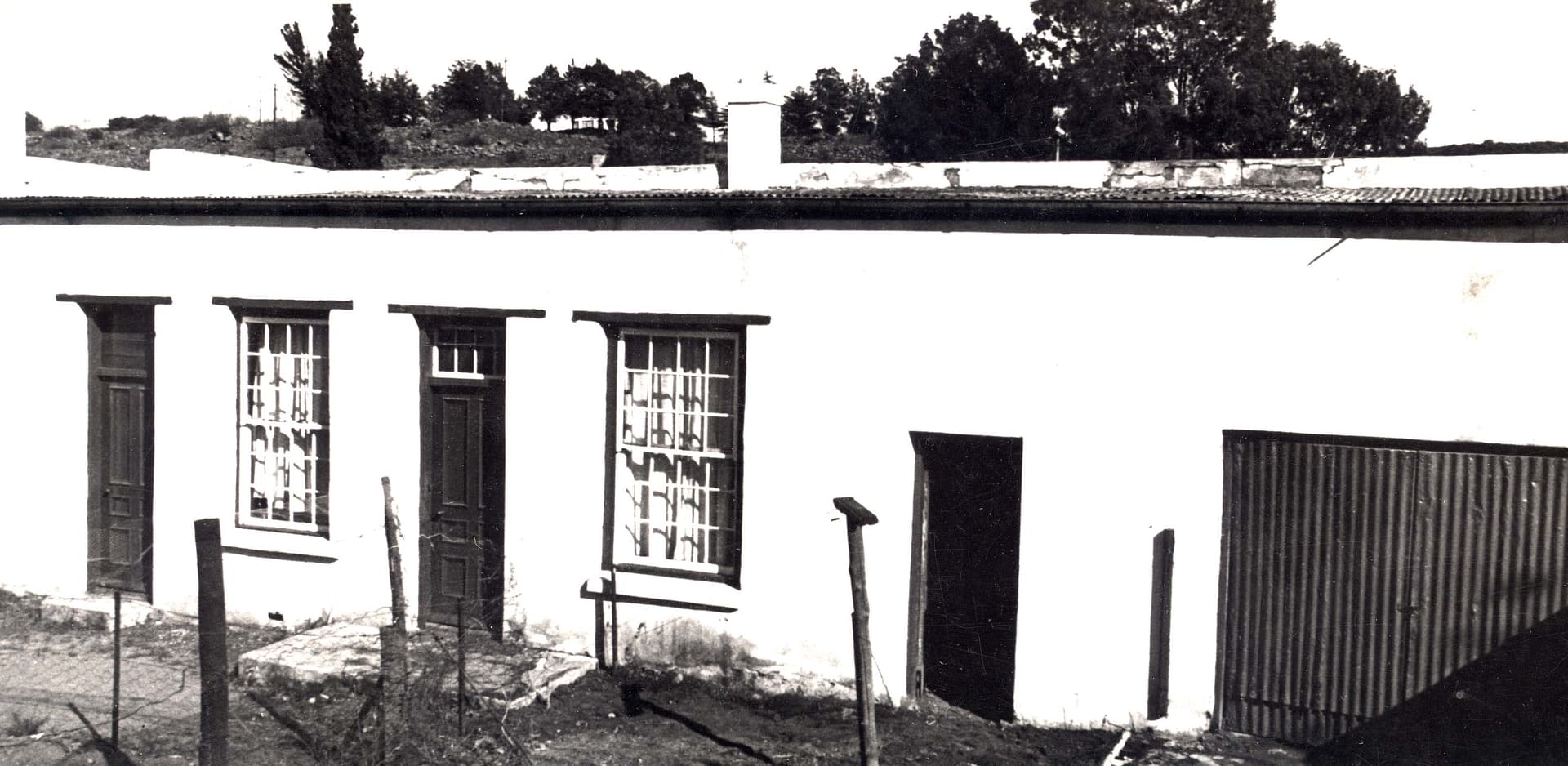
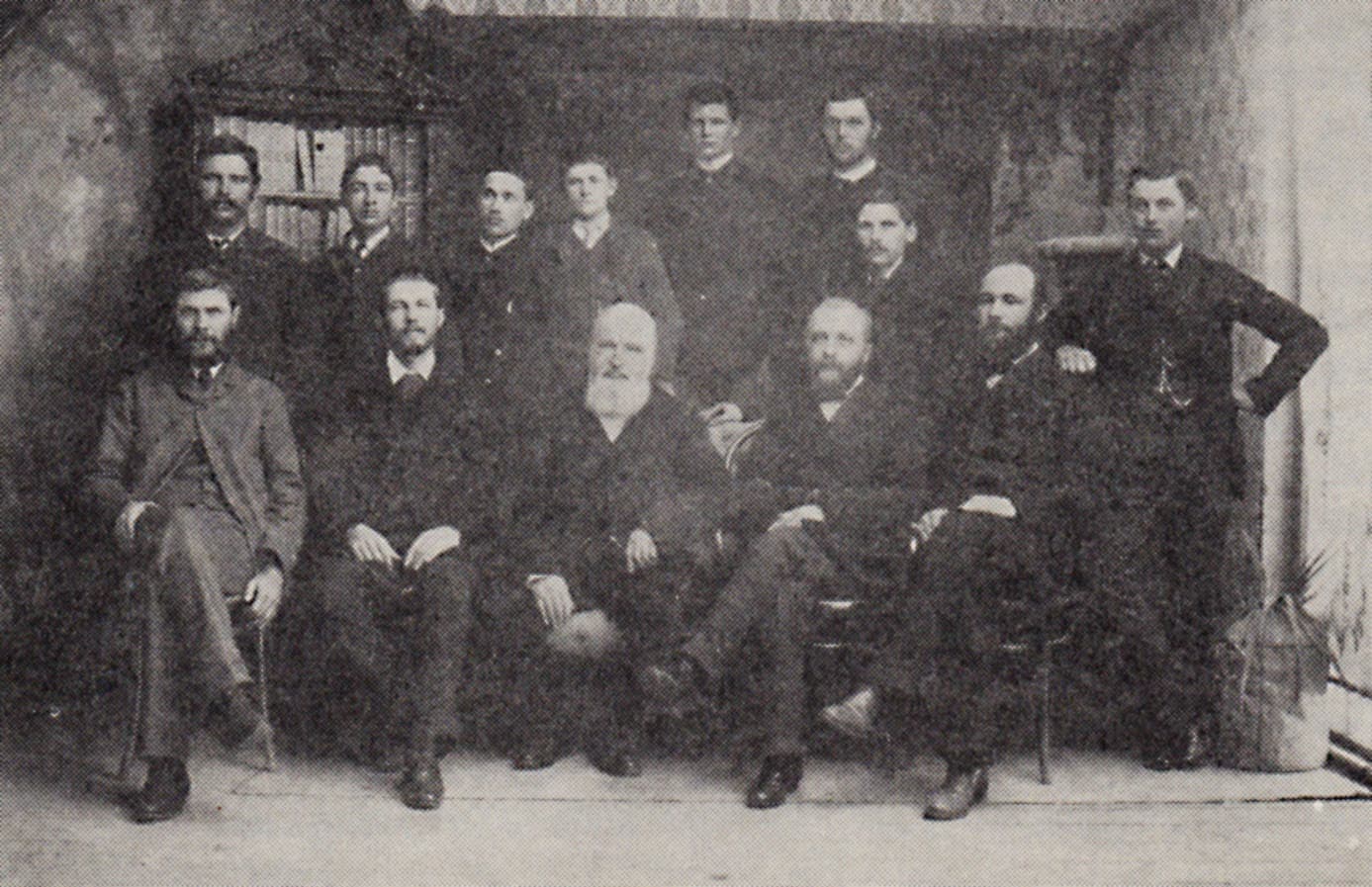
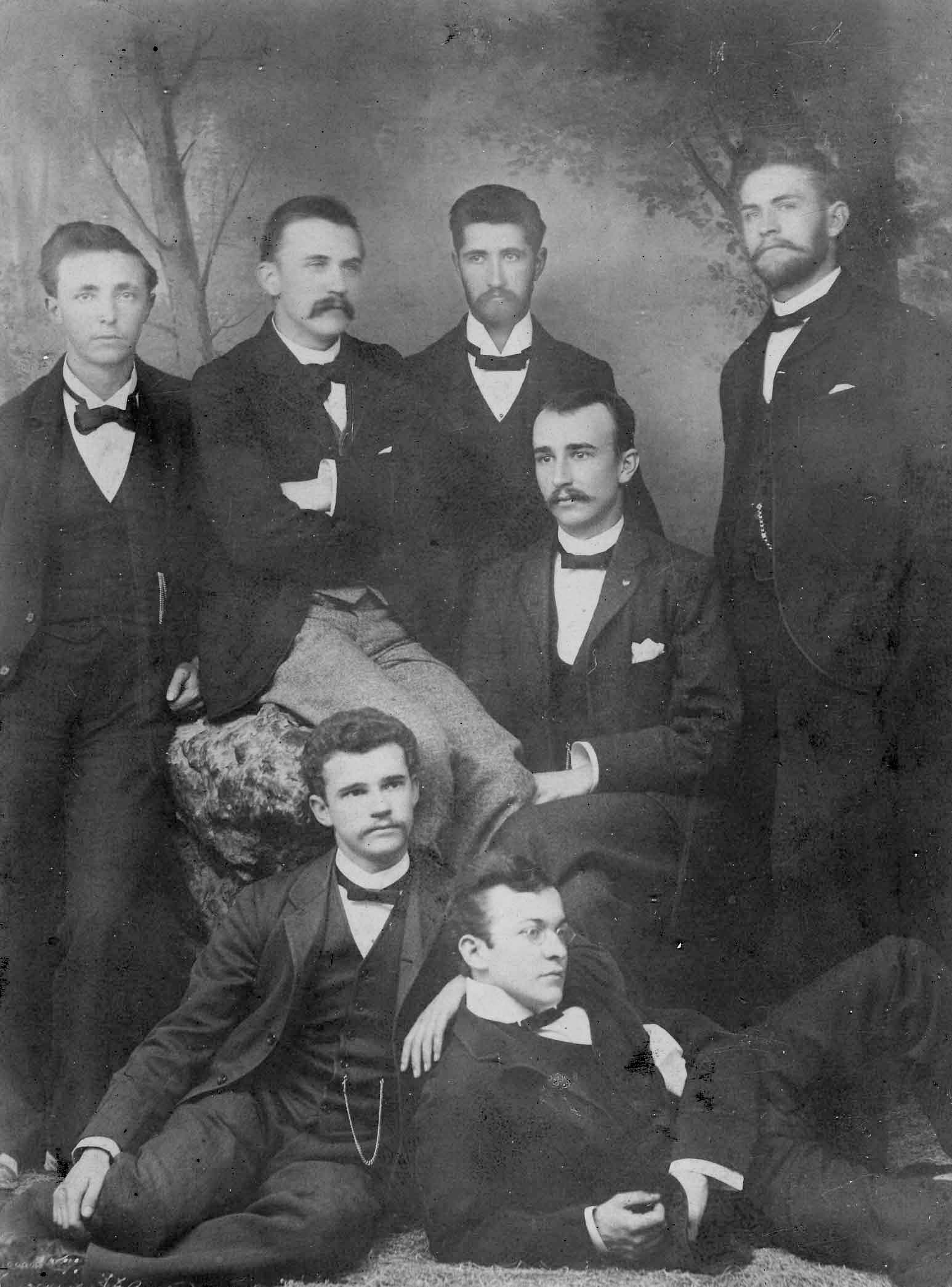
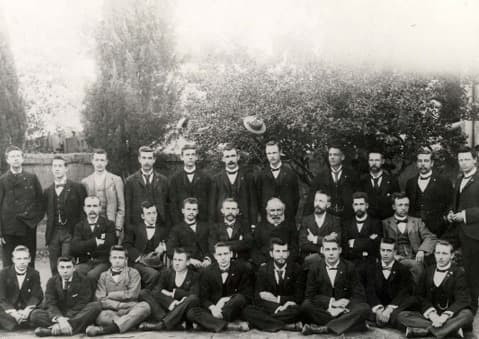
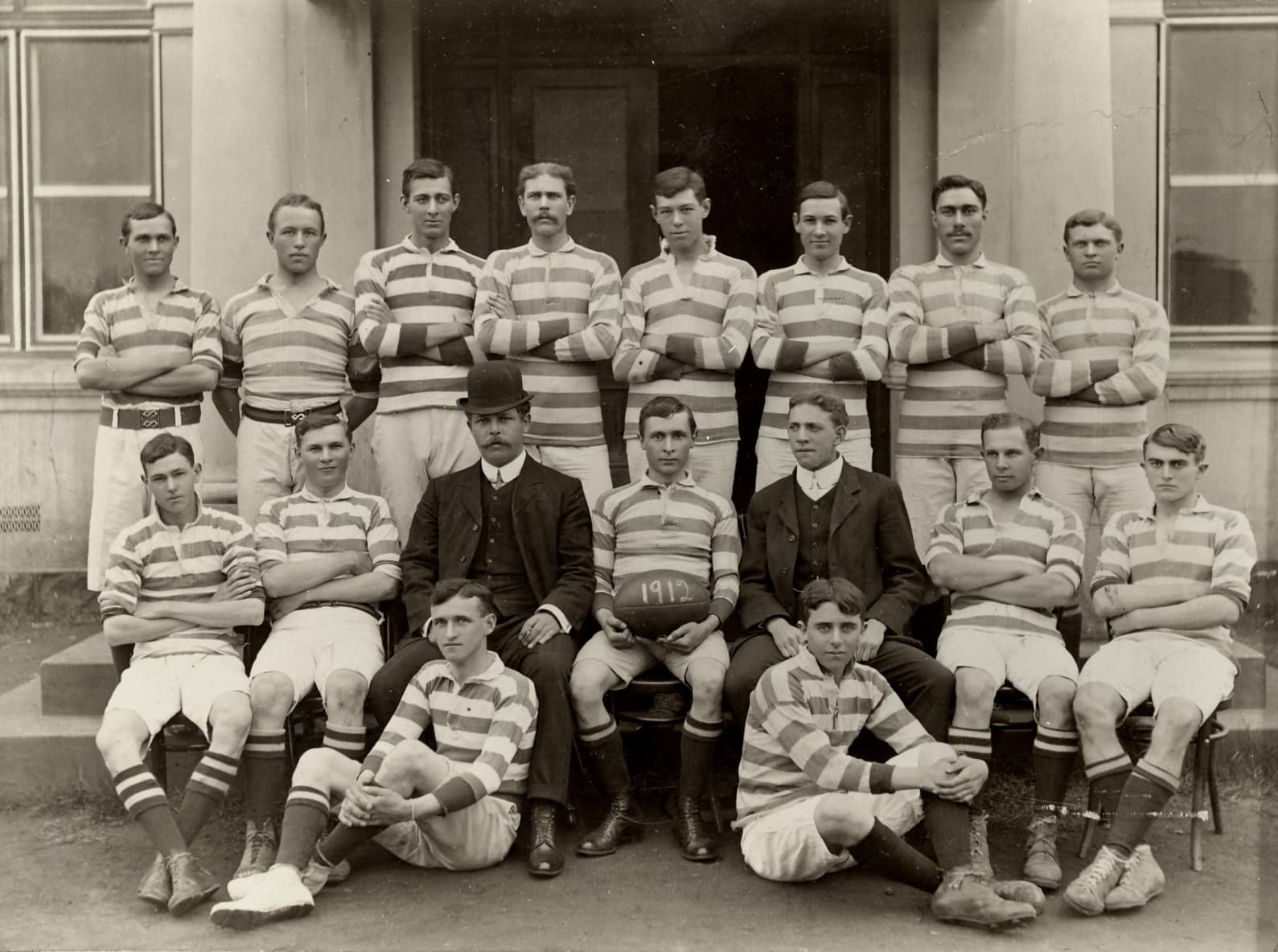
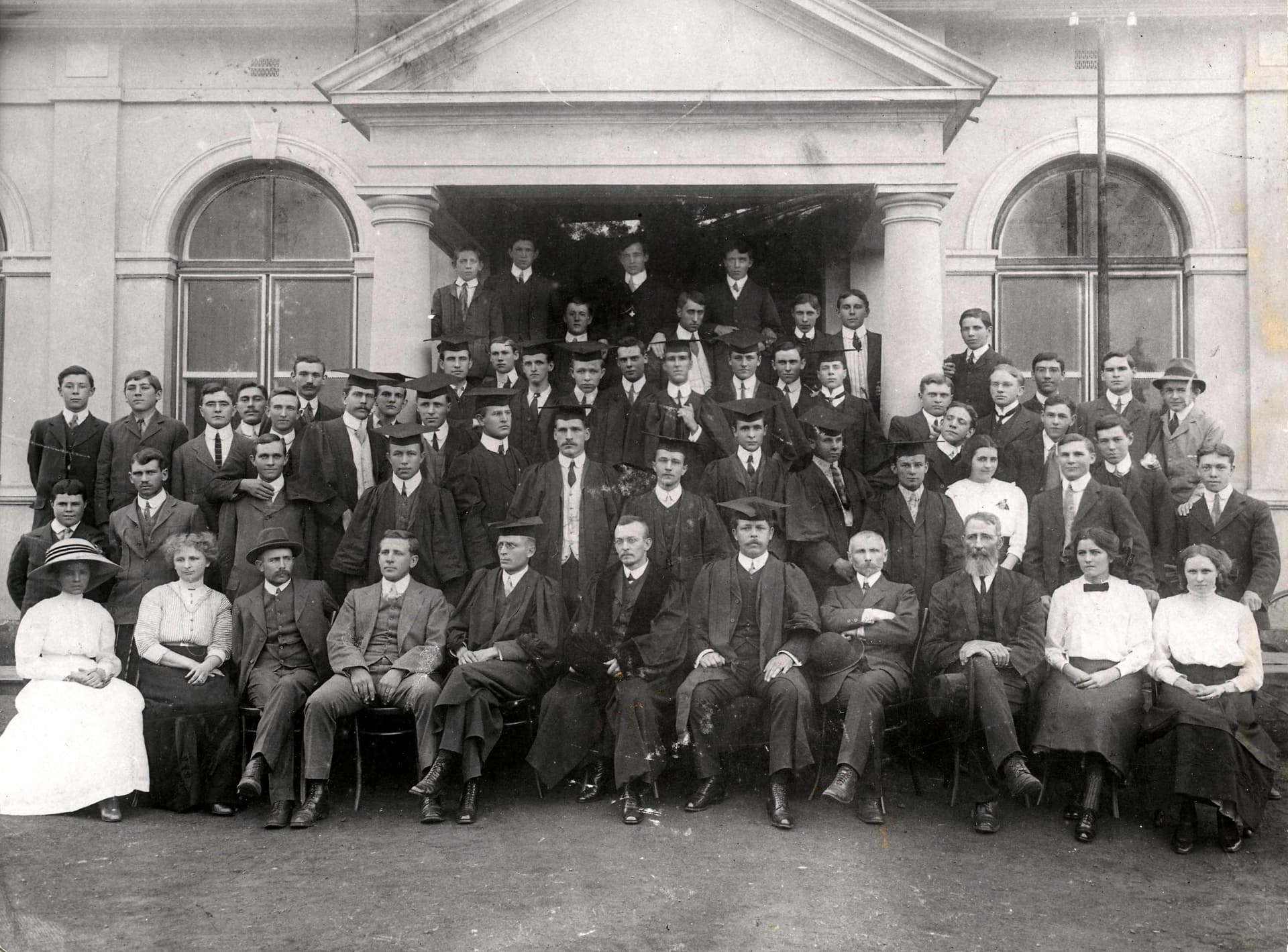
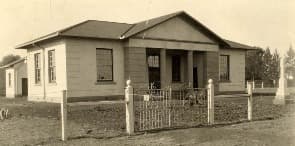
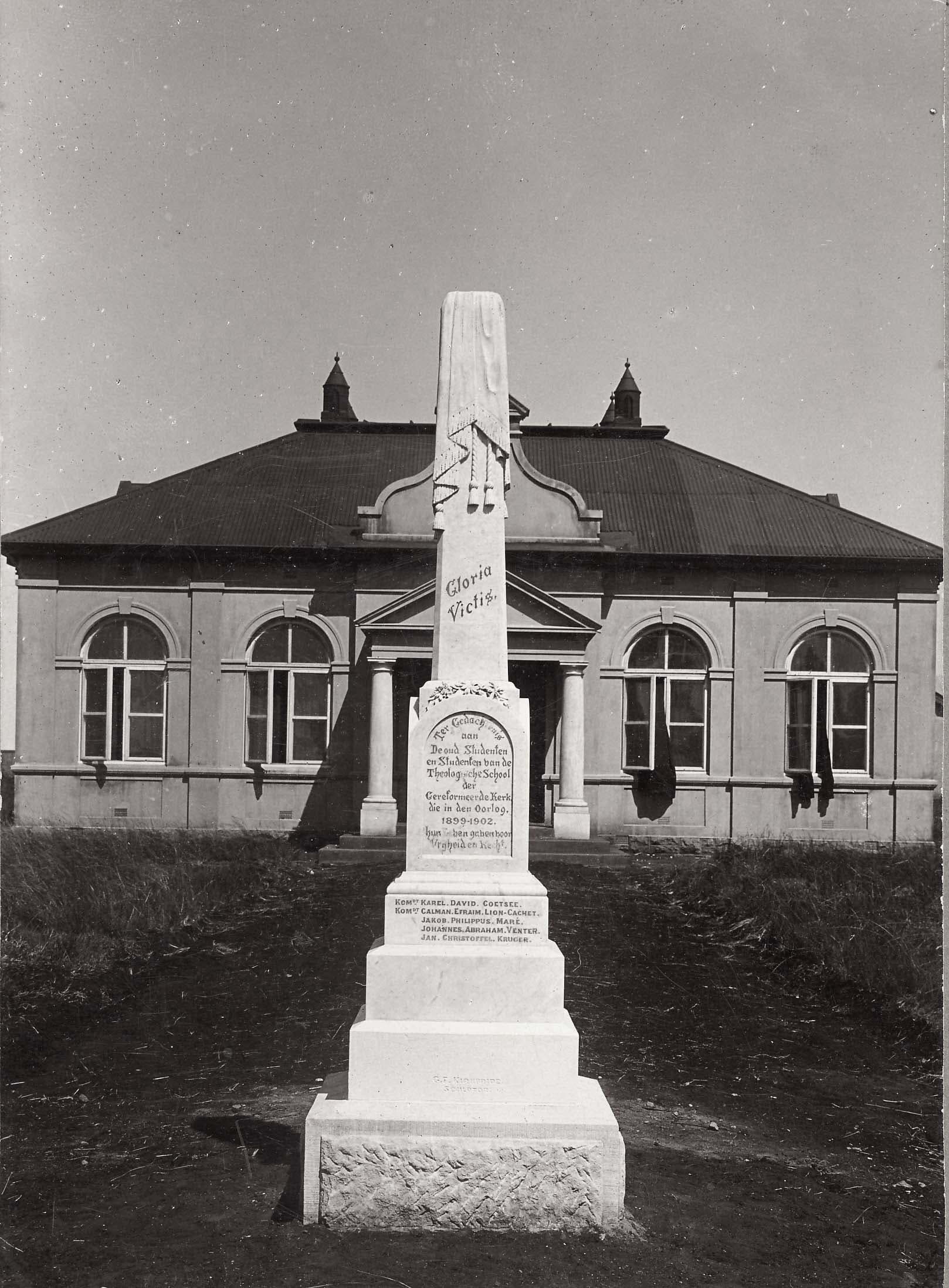
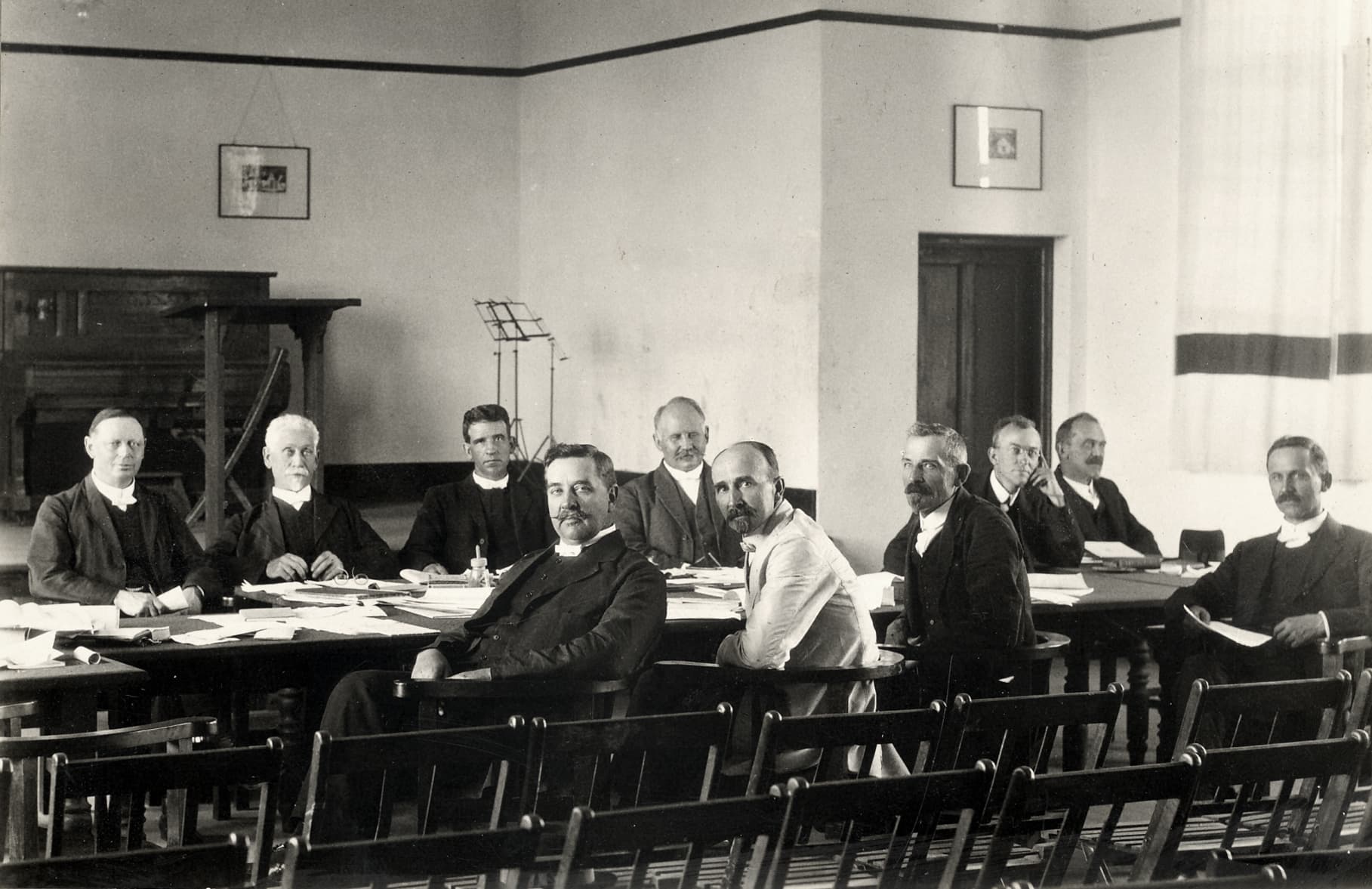
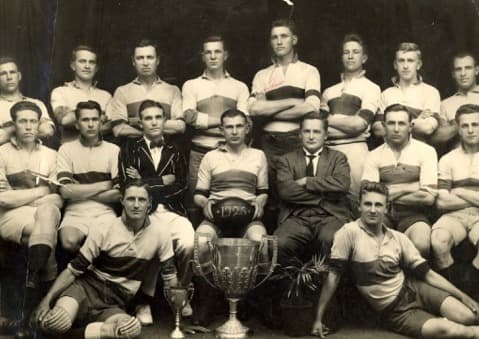
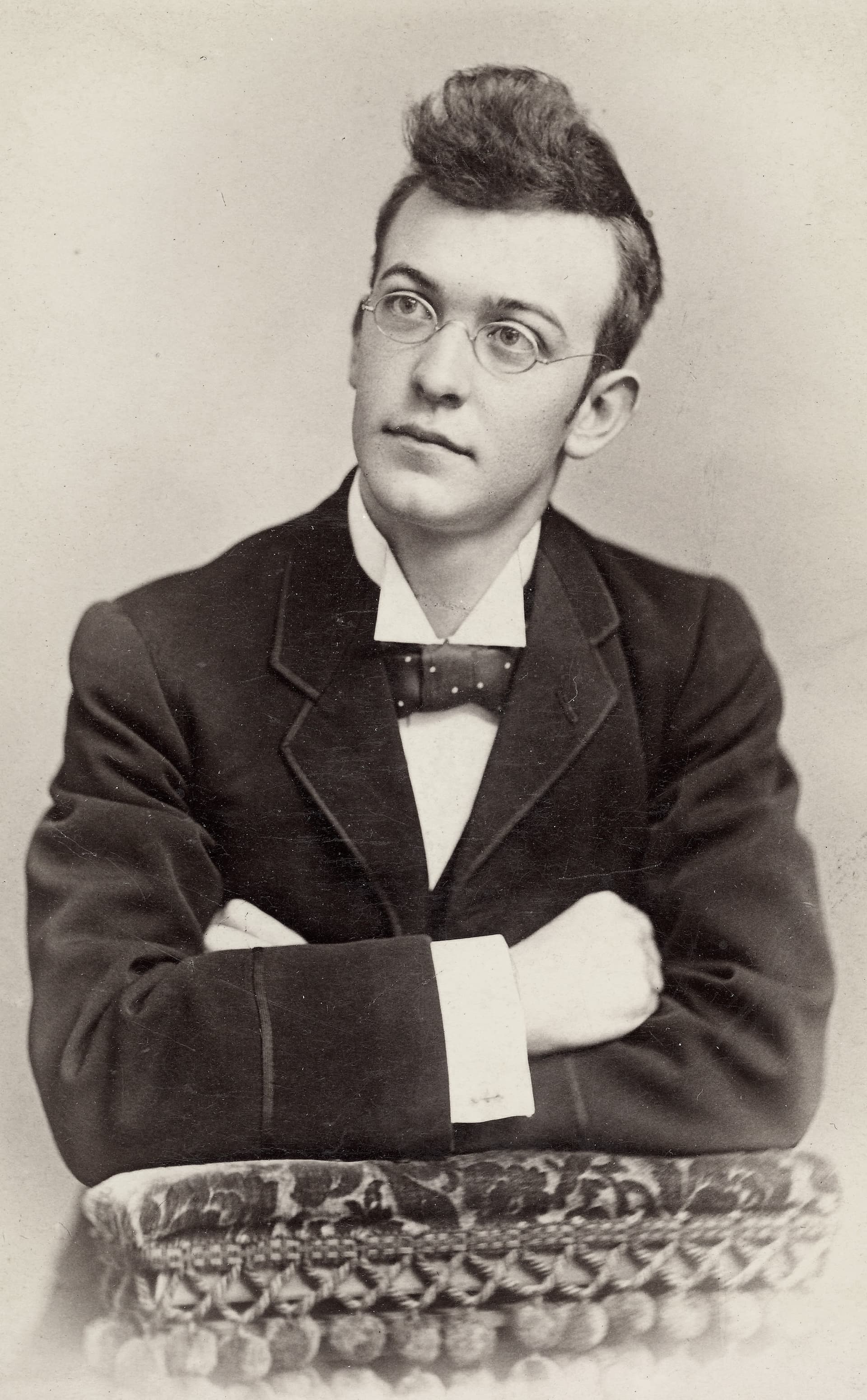
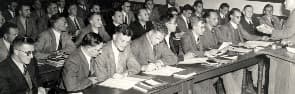
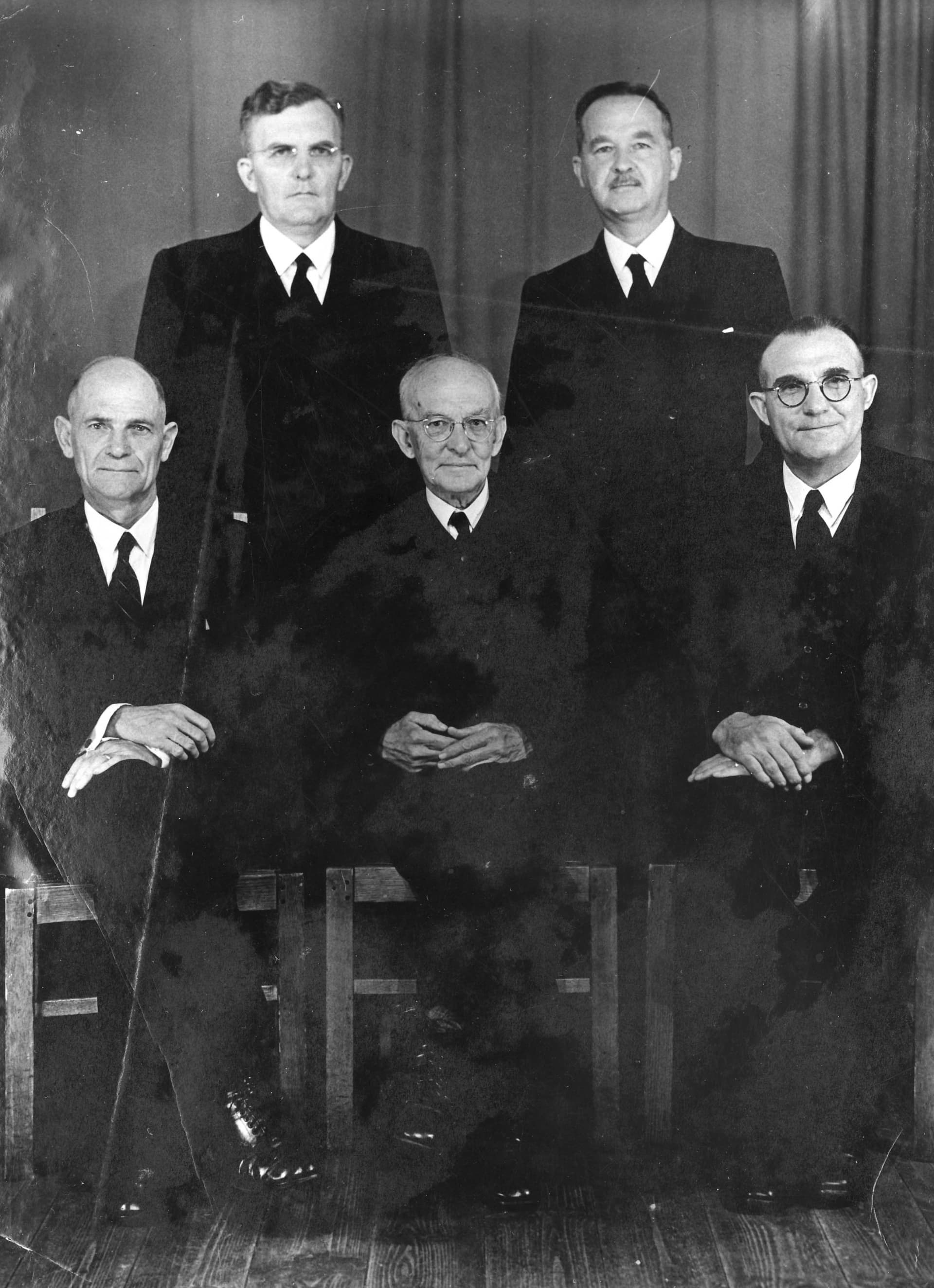
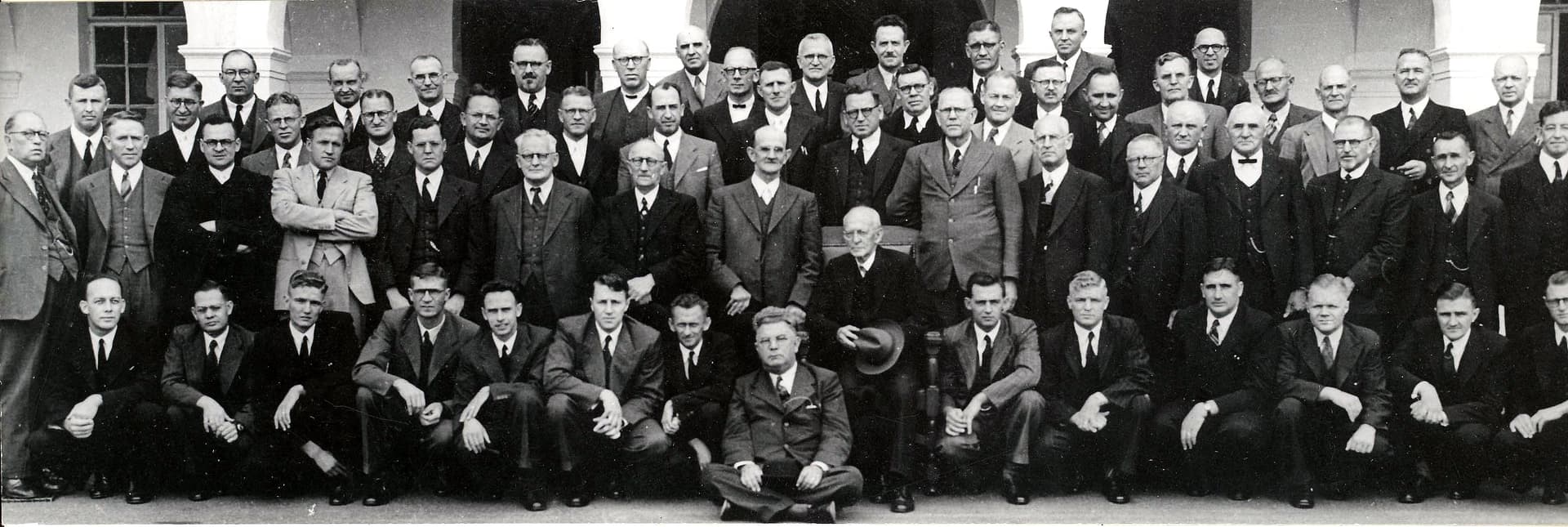
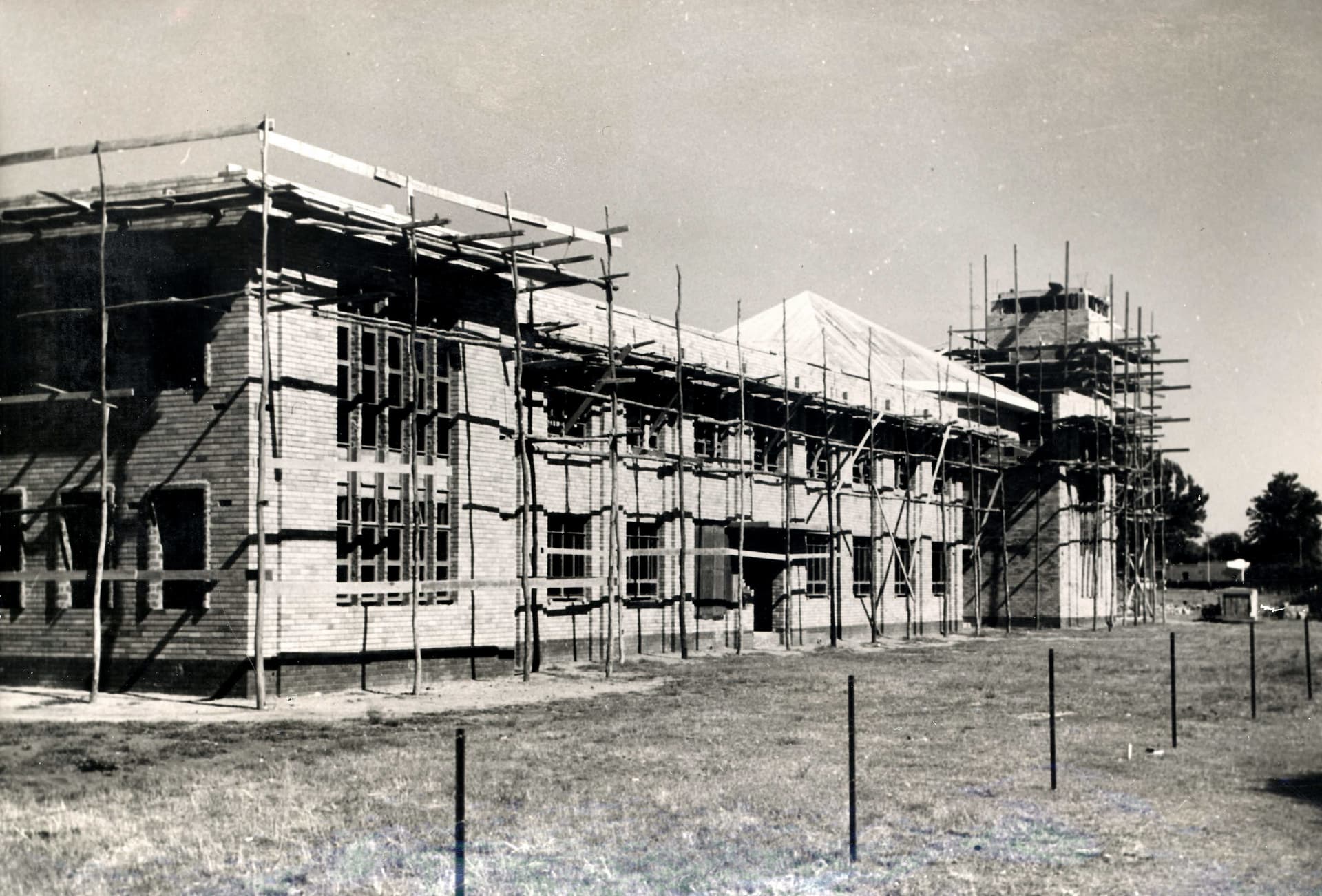
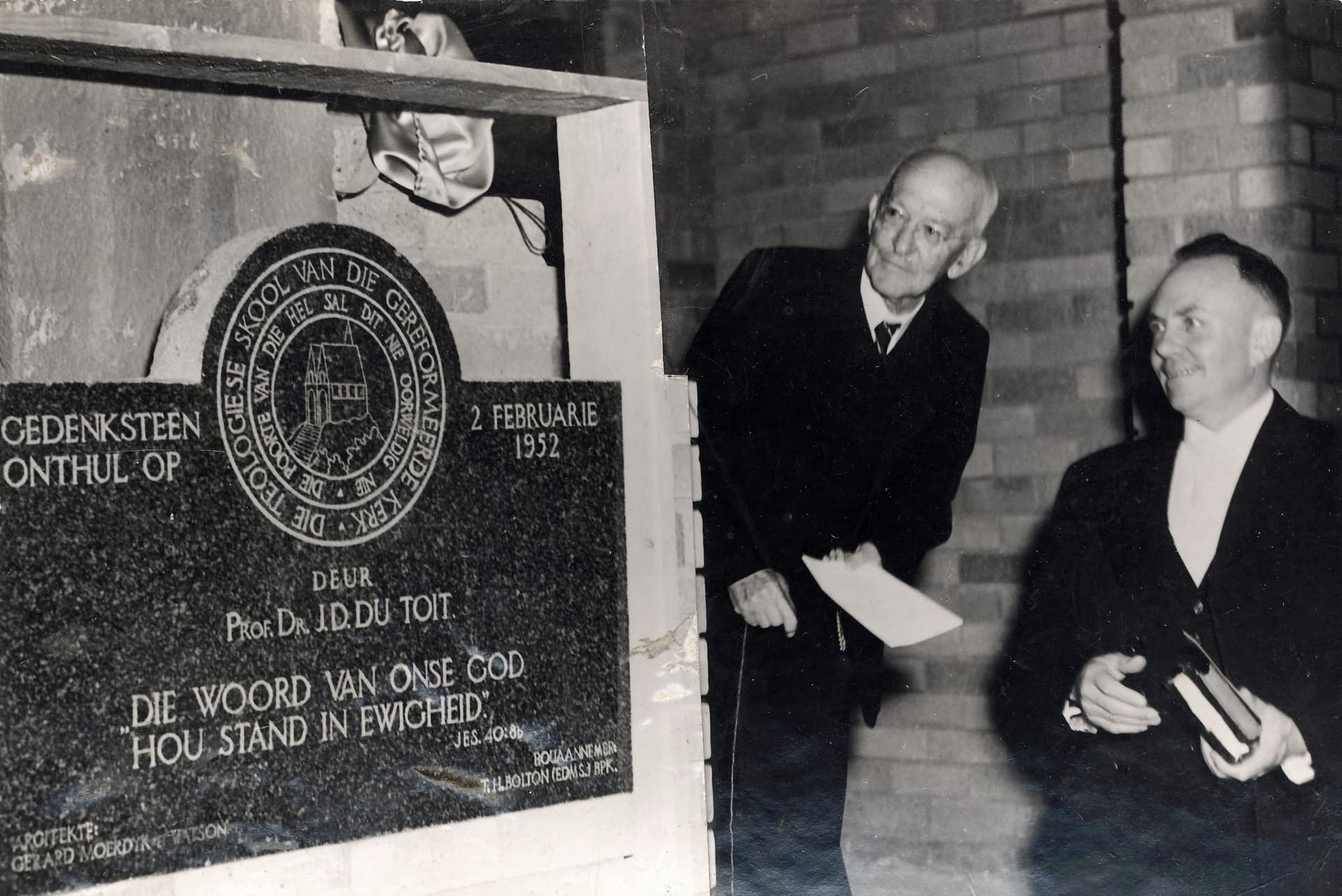
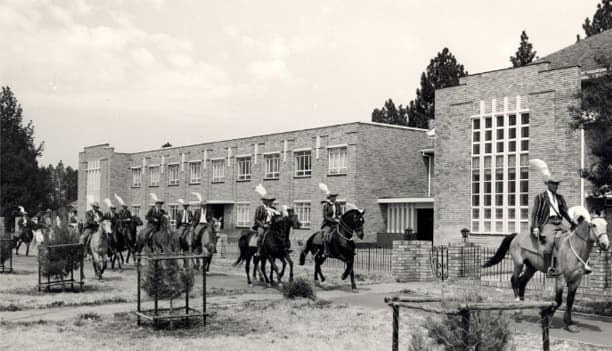
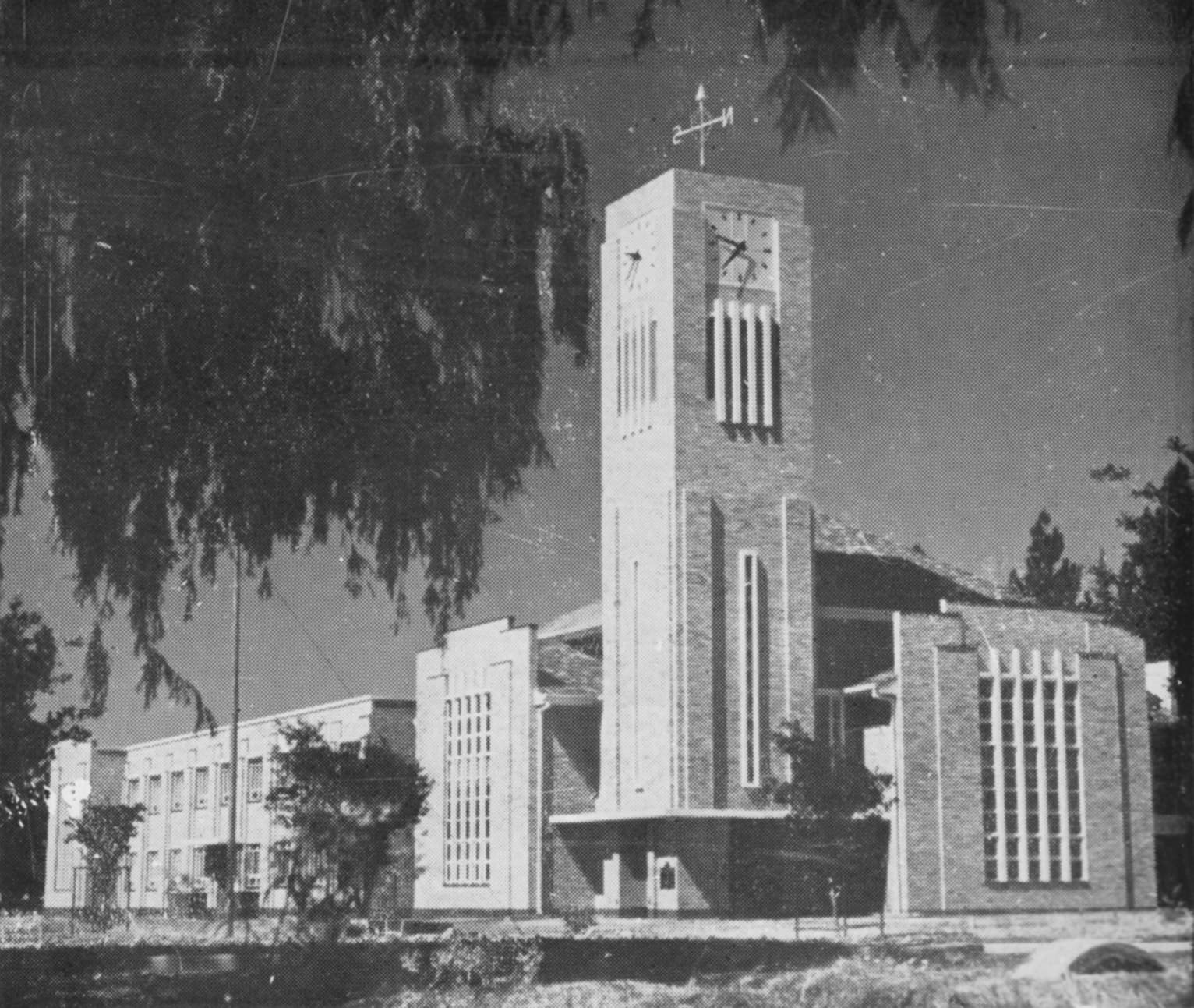
Foto's: Argief van die Gereformeerde Kerke in Suid-Afrika, via af.wikipedia en Wikimedia Commons. Publieke domein in Suid-Afrika.
Waarom die kerke dit besluit het
Die Kuratore het vyf redes vir die besluit aangeteken.
Die akkreditering van die TSP se programme.
Die behoud van gereformeerde teologiese suiwerheid.
Die behoefte aan volgehoue kerklike toesig oor die opleiding.
Die beskerming van die predikantsamp teen sekulêre invloede.
Die begeerte om ’n sentrum van uitnemendheid in gereformeerde teologie te vestig wat ook ander bedieninge kan dien.
Gereelde vrae
Teologiese instellings
Instellings vir die vorming van bedienaars.

Vind jou kerk
296 kerke. Een belydenis. Daar is 'n Gereformeerde Kerk naby jou wat gereed is om jou te verwelkom.